Table of Content
Saving mothers, sustaining QI gains: Project Aisha's four-year legacy in maternal and newborn health
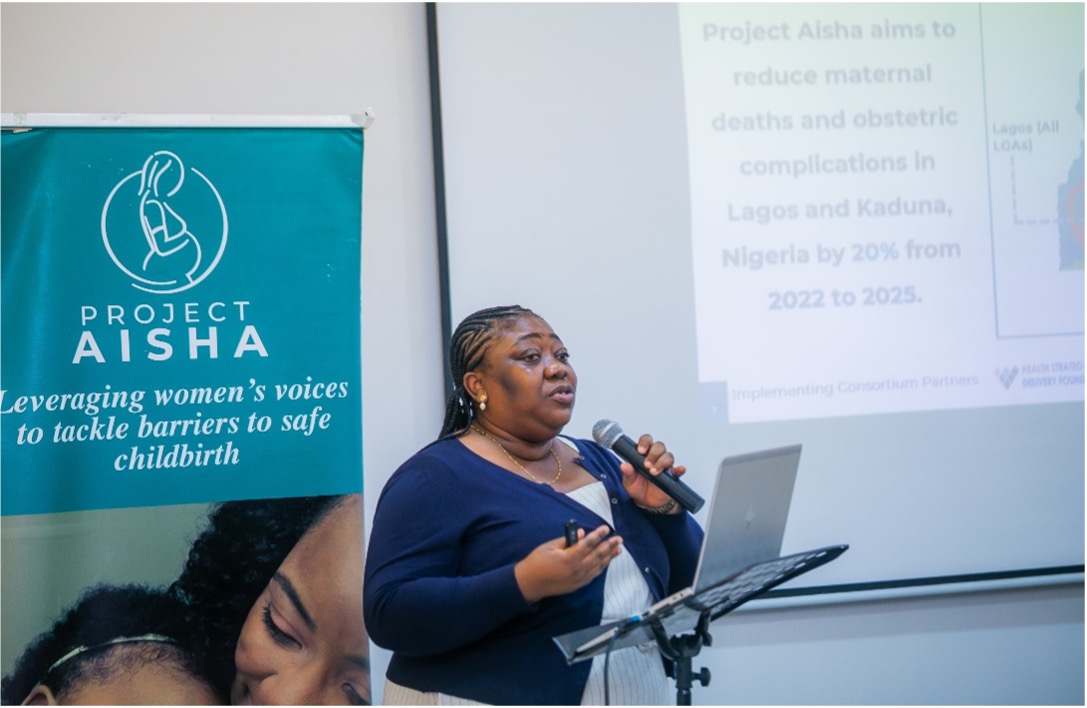
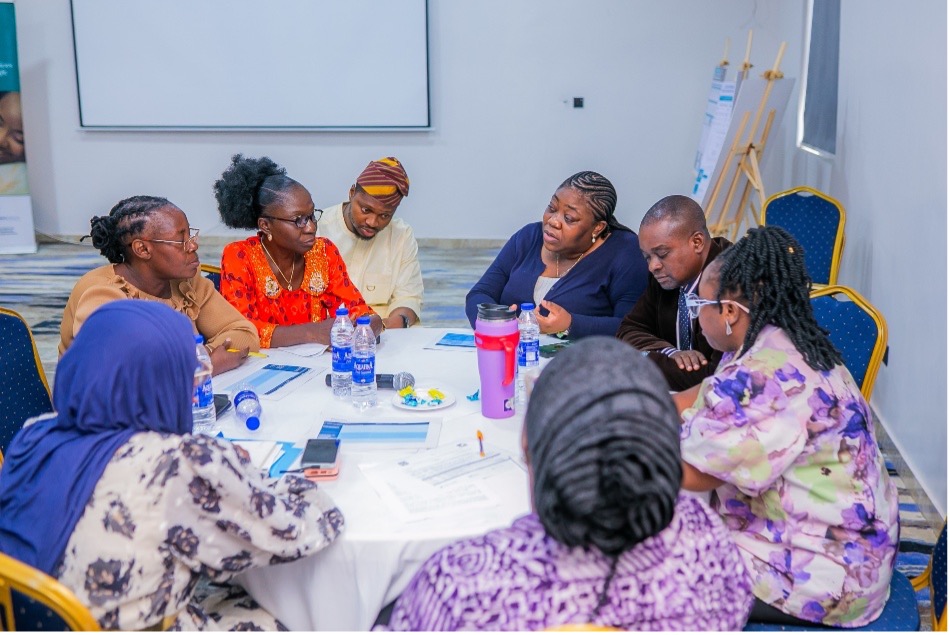
Project Aisha closed this year, and the numbers are hard to overstate. Across Lagos and Kaduna, four years of frontline work reached over 365,000 women and cut facility-based maternal deaths by 55 percent. Deaths from the three leading preventable causes (pre-eclampsia and eclampsia, postpartum haemorrhage, and obstructed labour) fell by 67 percent across both states. In 90 primary healthcare centres, facility-based maternal deaths dropped by 99.7 percent, and newborn mortality was eliminated altogether. Project Aisha was delivered as a consortium with Ingress Health Partners, mDoc Healthcare and the Institute for Healthcare Improvement, and funded by MSD for Mothers.
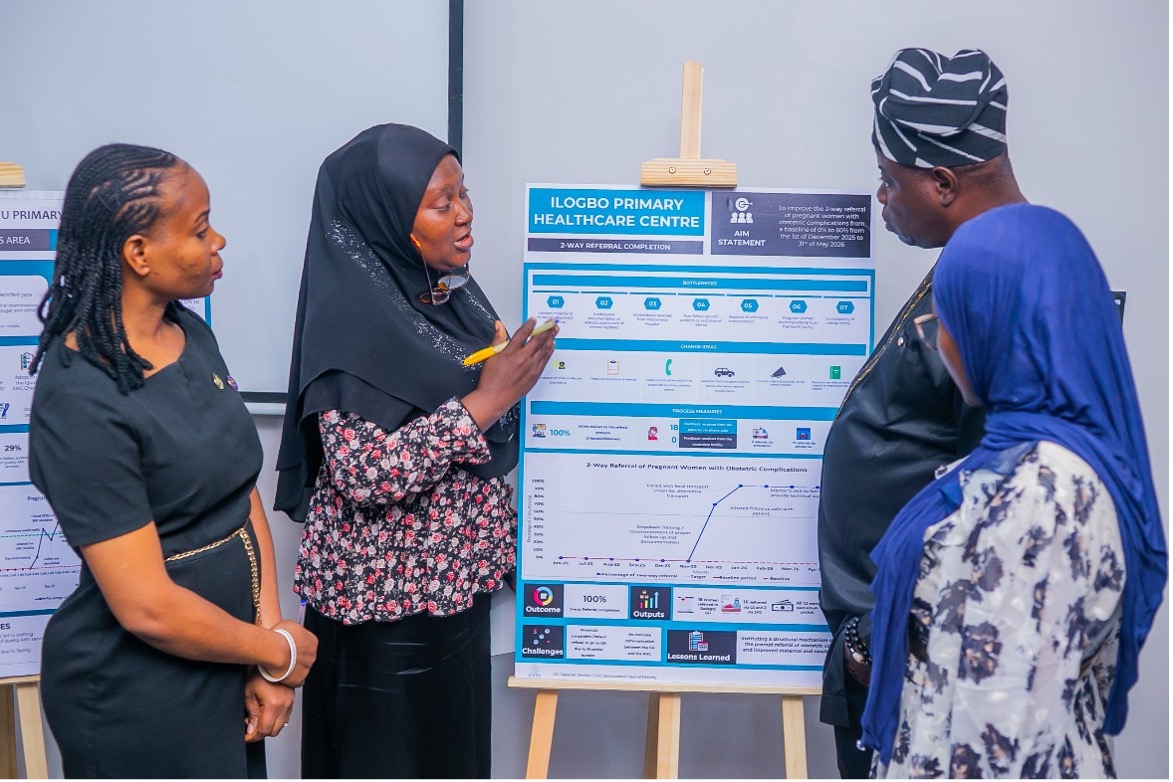
Working closely with six (6) Lagos State Health Districts, we trained frontline workers in data-driven quality improvement (QI) skills, which translated to improved maternal care services from initial antenatal care through labor, delivery, and complication management, guided by a purpose-built Change Package. The impact was palpable across multi-levels:
- Care Quality: Antenatal care quality improved by 78 percent, leading to a 40 percent increase in women completing four or more visits.
- Clinical Monitoring: Correct monitoring during spontaneous vaginal deliveries increased by 83 percent.
- Emergency Response: Two-way referral systems for obstetric complications strengthened by 76 percent.
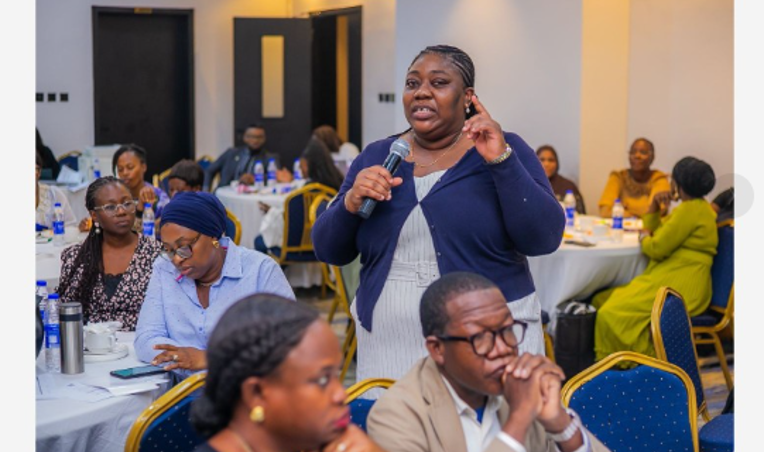
The sustainability of these gains lies in the peer-to-peer learning network built into the program. Quarterly cluster meetings allowed healthcare staff to benchmark performance data and solve operational bottlenecks collaboratively, backed by state quality improvement mentors whose progress was tracked on real-time dashboards. Local ownership took firm root as well following a successful pilot in Ifako-Ijaiye, local government authorities officially adopted the Community-Based Maternal and Perinatal Death Surveillance and Response (CMPDSR) framework for wider rollout.
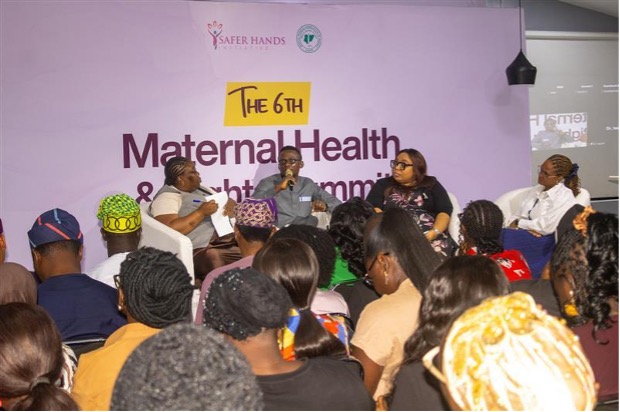
Beyond clinical care, HSDF expanded the project’s footprint across policy and sector dialogue. Partnering with Nigeria Health Watch at the World Health Expo Lagos 2026, and joining forces with the Safer Hands Initiative, Healthcare Analytics, and the Mother and Child Health Foundation for the 6th Maternal Health Summit, the team showcased these frontline innovations to broader industry audiences. HSDF also contributed directly to developing Lagos State’s 10-year PHC financing strategy alongside local leadership, reinforcing its role as a key technical advisor in primary care.
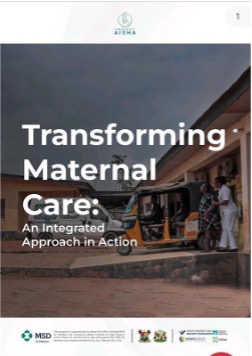
To capture these insights, the team published an eight-article compendium, Transforming Maternal Care: An Integrated Approach in Action ↗, finalized two learning briefs on systems innovation and peer-led mentorship, and drafted a manuscript exploring maternal mental health.
From Balance Sheets to Better Care: How KSSDP is Rewiring Kaduna's Health Financing System
In Kaduna, better financial data is starting to buy better health decisions. This quarter, KSSDP produced PHC expenditure and budget-performance evidence across all 23 Local Government Areas (analysing LGHA accountant reports, 2025 budget implementation, and the 2026 approved health budget) to give decision-makers an unprecedented view of where health money goes, and where it does not.
That evidence is already changing conventional practice as State and LGA officers have been equipped for evidence-based budgeting ahead of the 2027 Annual Operational Plan. Furthermore, the coordination between the health sector and the Planning and Budget Commission has been strengthened, ensuring accurate budget ceilings and the timely release of warrants so MDAs can begin implementing the 2026 budget. Progress on Kaduna State's Health Research Agenda is also laying the foundation for future investments and policy decisions.
Additionally, we are leveraging digitization to amplify these gains. By moving Annual Operational Plan (AOP) and Technical Working Group performance tracking onto an automated dashboard, we are enabling real-time monitoring and stronger accountability across the system.
HSDF continues to lead the Gates Foundation implementing partners on Public Financial Management (PFM) reform implementation in the state, and has deepened collaboration across key institutions, including the Planning and Budget Commission, Ministry of Finance, eight health MDAs, the Auditor General's Office, Kaduna State University and the Bureau of Statistics while convening development partners including SFH, Sightsavers, LAFIYA, Solina Health, CHAI, EngenderHealth, UNICEF and others around shared priorities for primary healthcare delivery.
Health Systems Strengthening Initiatives: PPH Transition & NCDI Impact
PPH Bundle: Transitioning Gains into Sustainable Supply Chains
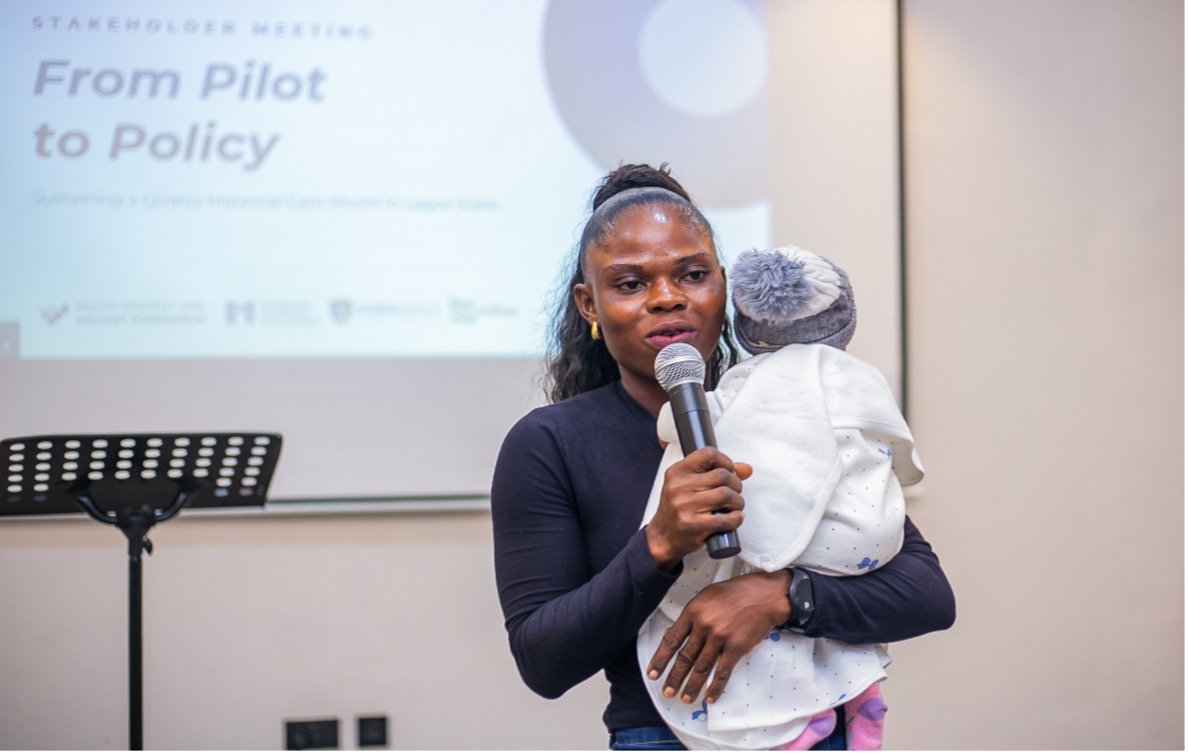
The Postpartum Hemorrhage (PPH) Bundle project, supported by the Gates Foundation and MSD for Mothers to expand access to five life-saving maternal commodities, reached a key milestone in Niger and Kano States in June 2026, successfully handing over emergency commodity distribution to the states' own public health systems. In the lead-up to this transition, HSDF convened targeted dialogues with state leaders to streamline requisition processes and embed the bundle inside routine state operations, a model now informing the next phase of the work.
Building on these results, the Gates Foundation has advanced a follow-on supply-chain investment running from June 2026 through May 2027, broadening HSDF's focus to strengthening regional distribution networks that safeguard uninterrupted maternal and newborn health supplies across nine states (namely - Bauchi, Borno, Gombe, Jigawa, Kaduna, Kano, Katsina, Lagos and Yobe). HSDF is leading this next chapter alongside strategic partners — SCIDaR, CHAI, TA Connect, C4SD, FIELD, and PVAC — to ensure seamless operational continuity.
NCDI Phase 3: Advancing Nigeria's PEN-PLUS pilot
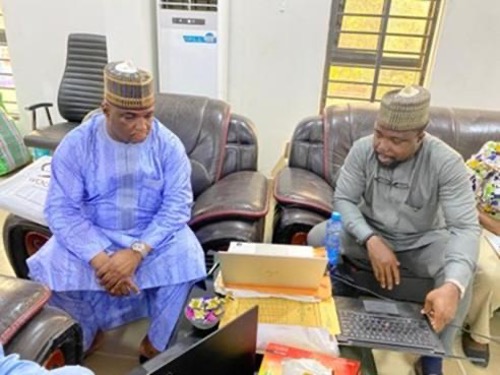
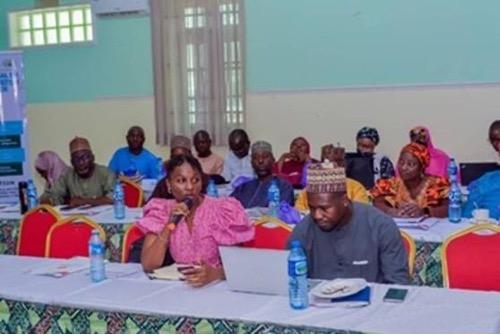
Under the Non-Communicable Diseases and Injuries (NCDI) Phase 3 initiative, HSDF convened key strategic coordination sessions with the Federal Ministry of Health and Social Welfare, disease-specific experts, and implementation partners. Together, the group aligned on core PEN-PLUS priorities, updated the nationwide workplan, and mapped out immediate milestones to support the upcoming pilot launch in the Federal Capital Territory (FCT).
PEN-Plus builds on the WHO PEN approach at primary care level by strengthening first-referral hospitals (secondary facilities) to diagnose and manage severe chronic NCDs such as type 1 diabetes, sickle cell disease and rheumatic heart disease. These conditions often affect children and young adults, yet access to specialist care remains limited and is frequently concentrated at higher-level facilities (tertiary). The FCT pilot provides an opportunity to bring appropriate care closer to communities while identifying the workforce, medicines, diagnostics, referral systems and other resources required for effective delivery. Through its support to the pilot, HSDF is helping to develop a practical implementation model that can inform the future expansion of PEN-Plus services in Nigeria.
In parallel, HSDF provided technical guidance to the Ministry’s NCD Division, supporting the development and submission of key funding proposals focused on Type 1 diabetes, sickle cell disease, and rheumatic heart disease. The team is also finalizing a comprehensive PEN-PLUS implementation toolkit for the FCT, reinforcing HSDF’s position as Nigeria’s primary coordination and technical partner for non-communicable disease strategy.
Demonstrating Thought-Leadership Across Africa’s Health Sector
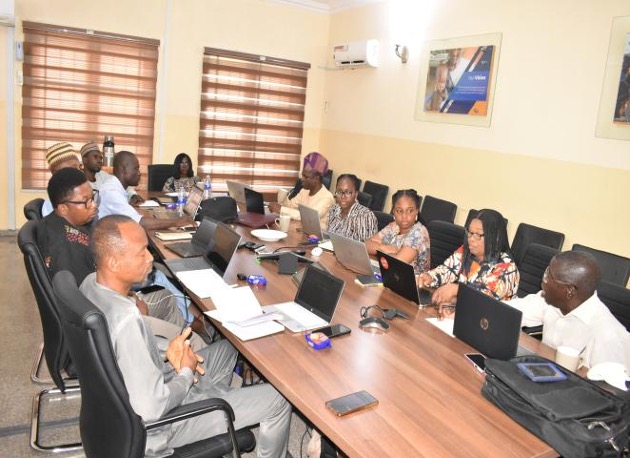
Beyond project delivery, the first half of 2026 saw HSDF step further into the conversations that shape African health systems — as convenor, evaluator and lead partner. Through high-level evaluation, state-level technical assistance, and published research, we continue to generate actionable knowledge assets that bridge national policy with frontline implementation.
Global Fund Evaluation Project: Evidence Travelling Beyond Borders
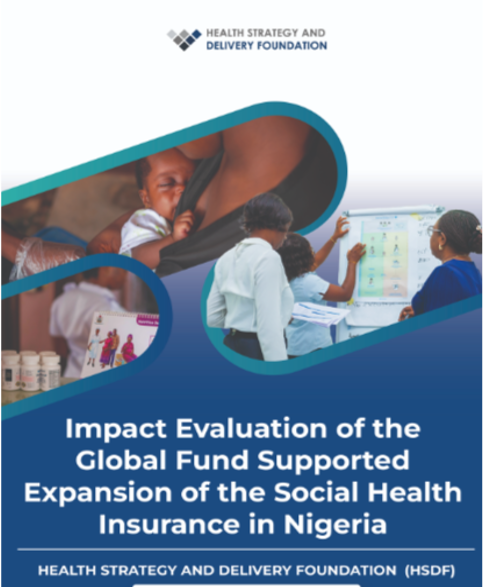
Our impact evaluation of the Global Fund-supported expansion of social health insurance for vulnerable populations living with HIV and tuberculosis is now shaping policy at the highest levels. Crucially, the evaluation demonstrated measurable gains in financial protection and more comprehensive service utilization per visit. These insights are directly informing the drafting of Nigeria's national GC8 proposal and serving as a model for cross-border learning. Historically, HIV, TB, and malaria were treated via siloed, vertical programs entirely funded by external donors. Under GC-8, Nigeria is incorporating these services into the permanent NHIA national benefit package. The scope covers essential diagnostic tests, consultations, and WHO-recommended treatment regimens.
The impact of this work is spreading beyond Nigeria. In June 2026, we presented the findings to the Zambian Ministry of Health, hosted by the National Health Insurance Authority, to help guide Zambia's strategy for integrating HIV and TB clients into its own universal health coverage framework.
Delivered in close collaboration with the National Tuberculosis, Leprosy and Buruli Ulcer Control Programme (NTBLCP), the National Health Insurance Agency (NHIA), the Network of People Living with HIV and AIDS in Nigeria (NEPWHAN), and the Global Fund, the project recently finalized key knowledge products, including a comprehensive executive summary and a validation slide deck.

Shaping Fiscal Reform: Realizing Health Taxes for Sustainable Financing
In fiscal health policy, HSDF is leading evidence-driven advocacy to leverage health taxes as both a public health tool and a sustainable source of domestic health financing. Through the Realizing Health Taxes project, HSDF conducted an in-depth political economy analysis and economic modelling to evaluate the health and revenue impacts of various tax scenarios across tobacco, alcohol, and sugar-sweetened beverages (SSBs) relative to WHO benchmarks.
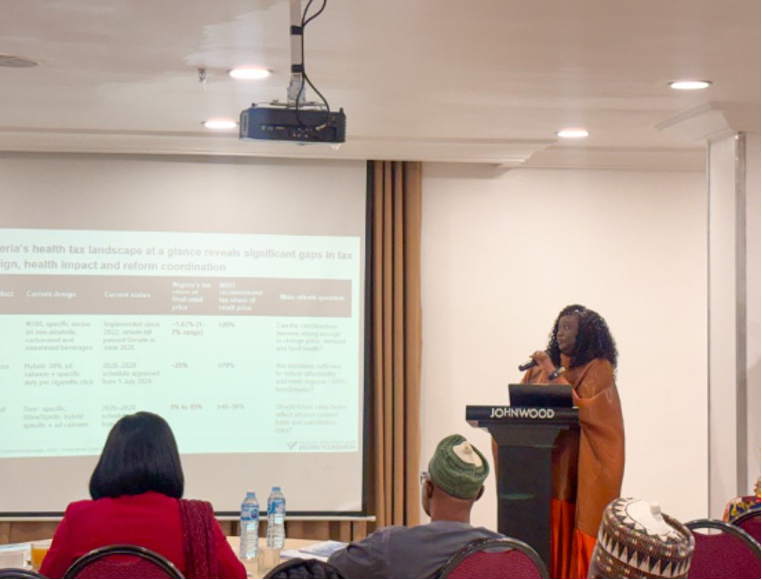
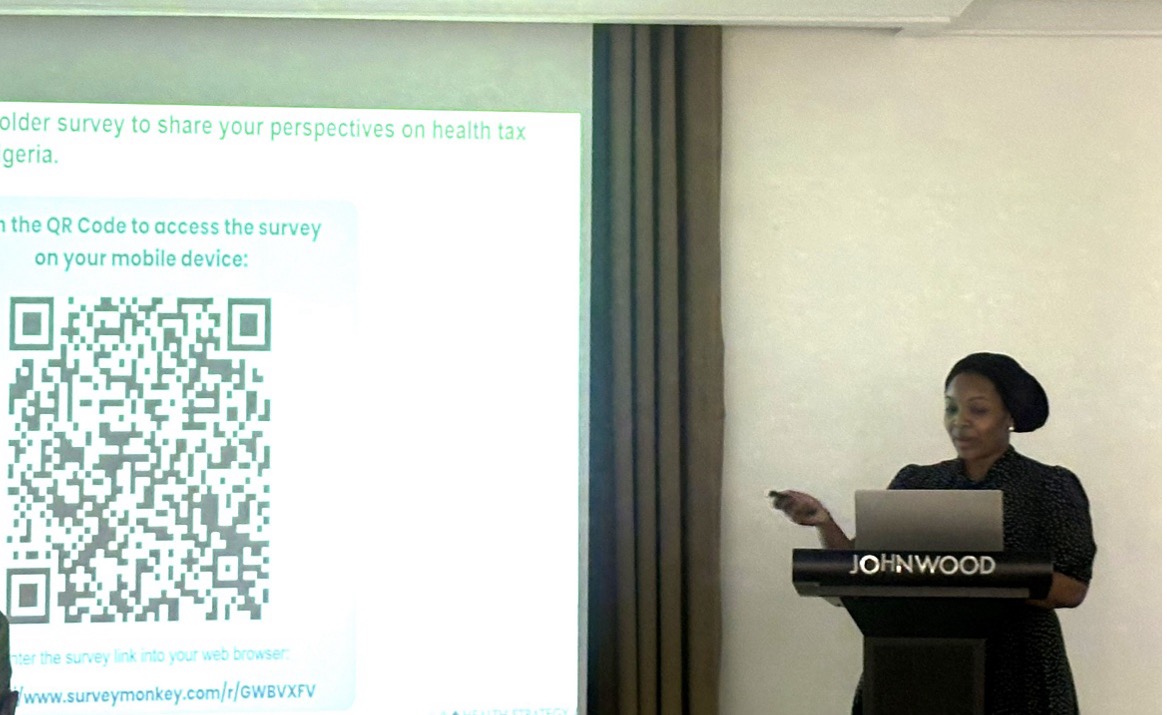
At a multisectoral inception workshop co-hosted with the NHIA, Federal Ministry of Finance, Federal Ministry of Health and Social Welfare, Budget Office, and National Assembly, Dr. Yewande Ogundeji and Aisha Fodio presented Nigeria’s health tax landscape, framing ongoing legislative discussions around SSB taxes as a vital policy window. To drive implementation, the workshop officially inaugurated the Health Tax Task Team—a multisectoral body tasked with translating economic modelling into actionable policy, tax earmarking, and revenue linkage for health insurance.
Financial Capacity Development Platform: From National Nutrition Planning to Regional Leadership
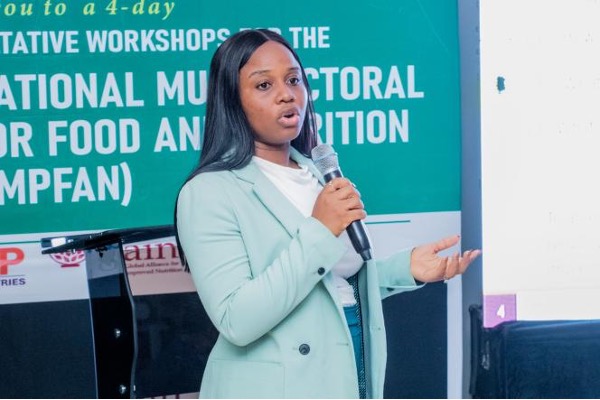
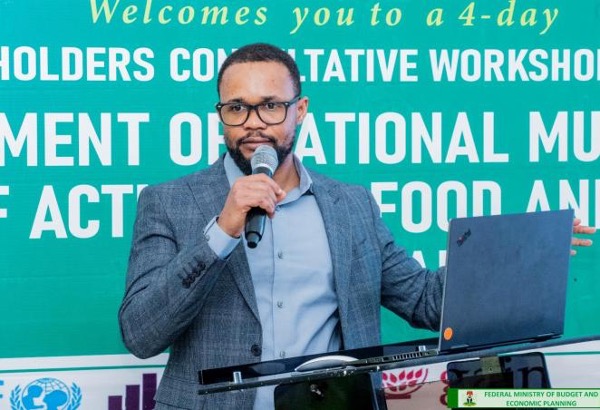
Parallel to our evaluation efforts, HSDF is driving the development of Nigeria's National Multisectoral Plan of Action for Food and Nutrition (NMPFAN) for 2026–2030 through the Finance Capacity Development Platform (FCDP). In partnership with Results for Development and the Federal Ministry of Budget and Economic Planning, our team facilitated a four-day workshop to craft strategy primers for state and federal inputs, while conducting a stock-taking exercise of the previous plan to ensure historical lessons inform future policy.
HSDF's role on the FCDP Consortium has also grown, now serving as Africa Regional Lead Partner, overseeing nutrition-financing work in more than six African countries. As part of this expansion, two HSDF staff members have joined the platform’s global core team as Africa Regional Coordinator and MEL Advisor.
Looking ahead, we are finalizing a dedicated scope of work to lead FCDP implementation in Senegal, with potential engagements in Togo and Chad under consideration. This October, HSDF will also co-lead an FCDP Solutions Lab in Accra, testing a new country-assessment tool alongside six participating nations.
Why It Matters:
A decade ago, thought leadership in African health financing was largely imported. Today, local expertise is generating the frameworks that define nutrition financing, health insurance, and primary care reform across the region and HSDF is proud to be at the forefront of that shift.
Strengthening State-Level Health Systems in Kaduna
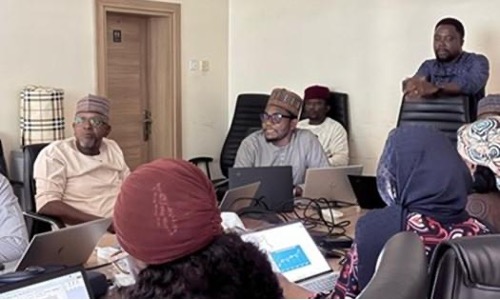
At the subnational level, HSDF demonstrated sustained leadership in health governance through two major convenings in Kaduna State:
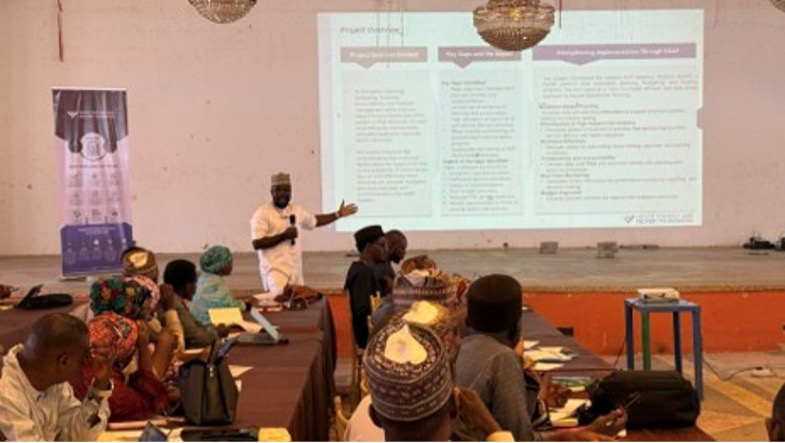
- Paving the Way for the 2027 Health Sector AOP: The Kaduna State Ministry of Health convened key sector stakeholders in Zaria to develop an evidence-driven 2027 Annual Operational Plan (AOP). Drawing on lessons from the 2026 Quality Assessment and aligning with the Health Sector Strategic Blueprint (HSSB), HSDF provided lead technical support across situation analysis, priority setting, costing, and partner alignment to ensure strategic goals translate into measurable health outcomes.
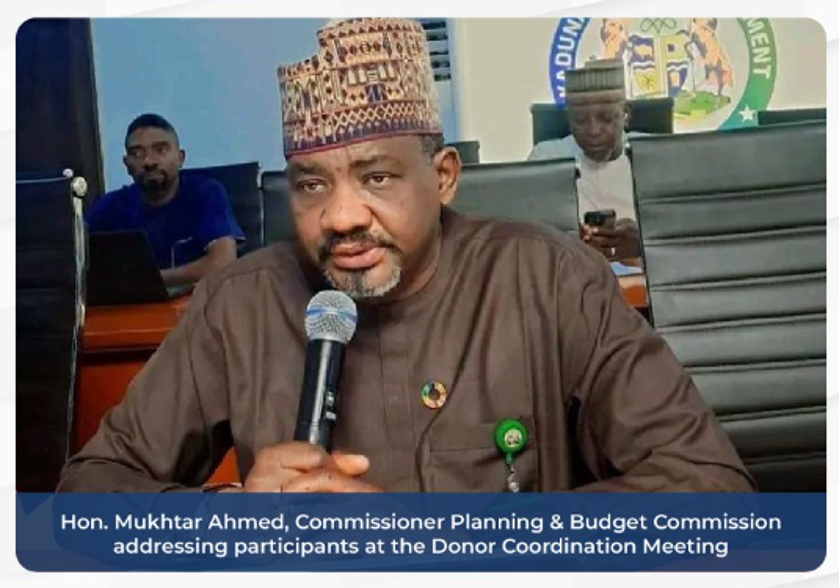
- Fostering Sustainable Donor Coordination: HSDF contributed strategies for improving program and financial data utilization and seamlessly integrating partner-supported interventions into permanent government systems to enhance long-term sustainability and accountability.
Synthesizing Data into Insights and Institutional Knowledge Assets
Beyond driving projects and programs on the ground, HSDF codifies what works. The first half of 2026 produced twelve knowledge products and four peer-reviewed publications, each turning field evidence into something the wider sector can pick up and use.
Key publications and knowledge assets generated during this period include:
- Transforming Maternal Care: An Integrated Approach in Action: An eight-article compendium capturing the core methodology, systemic impact, and operational lessons from Project Aisha.
- Project Aisha Learning Briefs: A pair of publications detailing a systems innovation framework for reducing preventable maternal mortality in Nigeria alongside a peer-led mentorship model designed to elevate care quality.
- When Coordination Meets Reality: A critical review exploring operational lessons from a Technical Working Group functionality assessment conducted in Kaduna State.
- Strengthening African Associations: An evidence brief outlining strategic frameworks and practical approaches to build institutional capacity across regional healthcare organizations.
- Building the Frontline: A deep dive into Kaduna’s primary healthcare workforce, complemented by a research abstract examining health worker composition and distribution state-wide.
Advancing Knowledge Assets & Multisectoral Governance
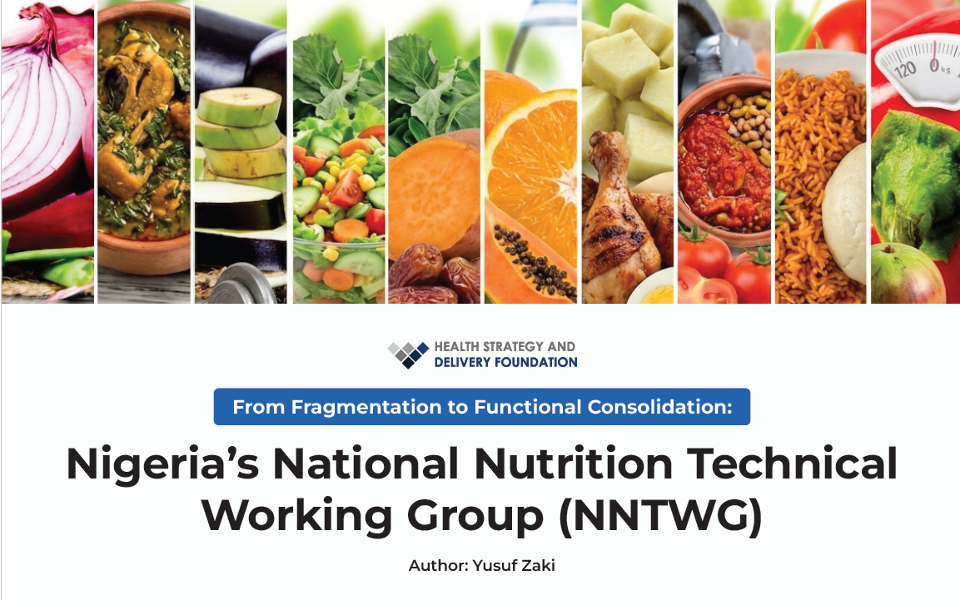
Expanding our body of regional knowledge assets, HSDF’s Yusuf Zaki published a key analysis, From Fragmentation to Functional Consolidation: Nigeria’s National Nutrition Technical Working Group (NNTWG) ↗, examining the evolution of Nigeria’s Nutrition Technical Working Group (TWG) framework. The publication outlines practical mechanisms for leveraging multisectoral governance to strengthen the implementation, coordination, and overall impact of the Kaduna State Multisectoral Strategic Plan for Nutrition (KSSDP).
Snapshot of Q3 Publications
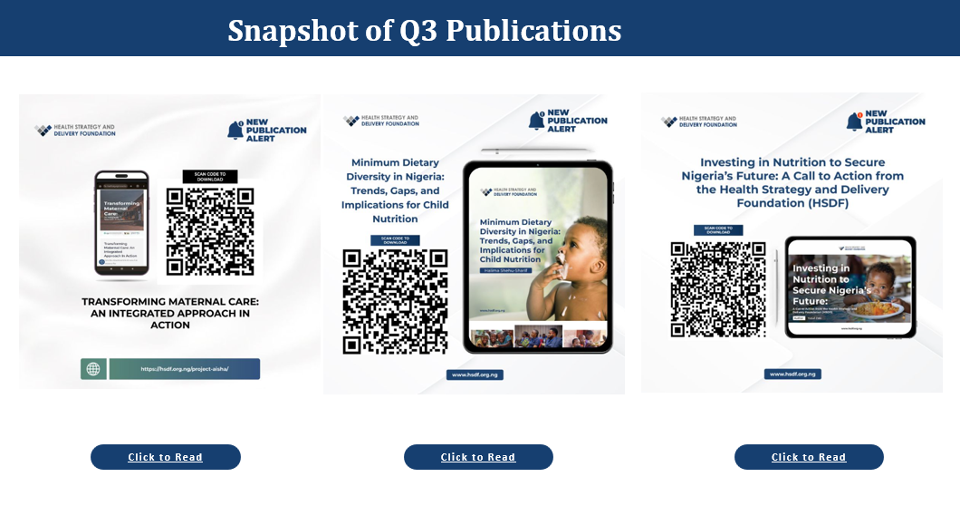
A snapshot of other publications — all available at www.hsdf.org.ng
Moments from the field